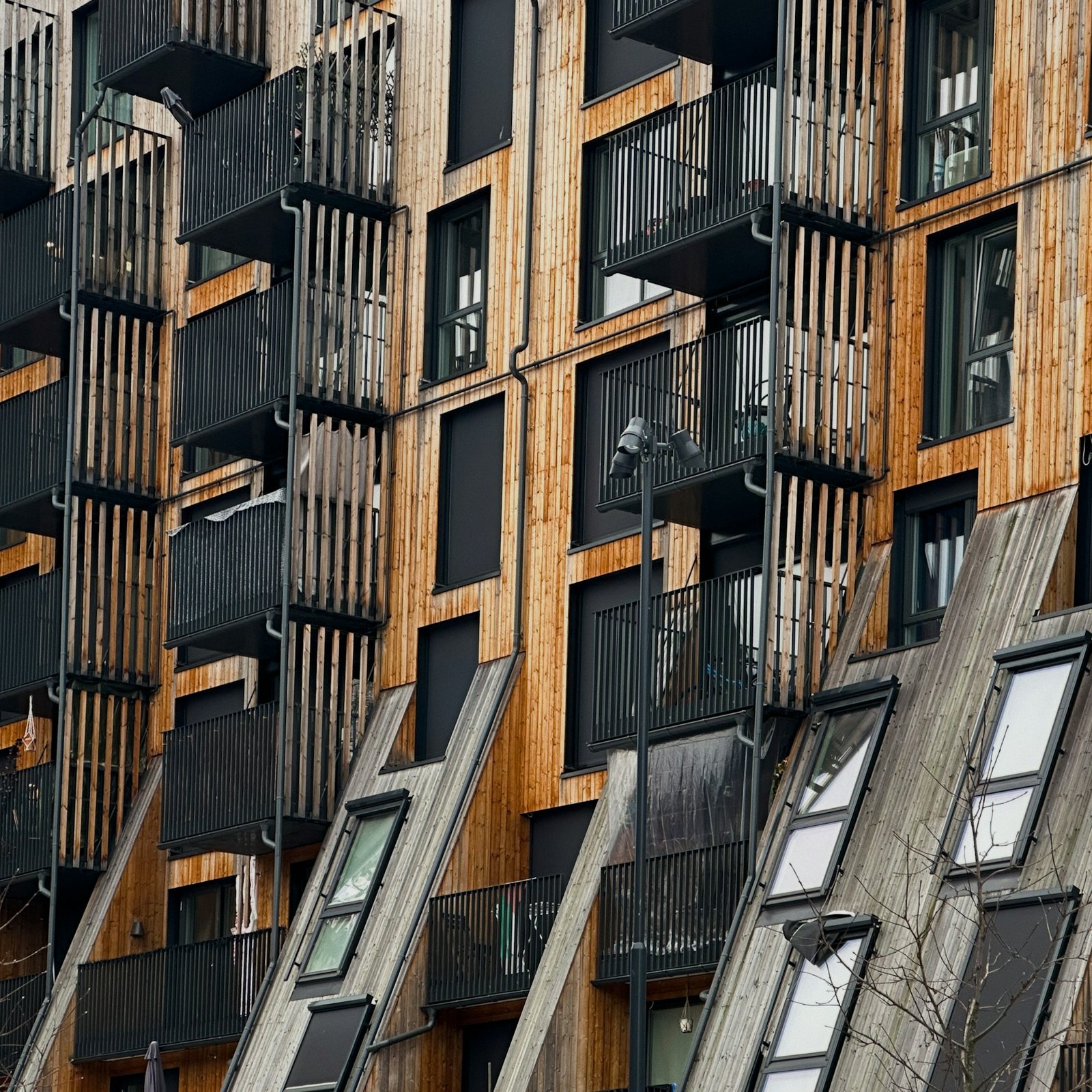
A building that stays useful for decades can offer lasting value to both people and the environment.
Anticipate changing needs
Family sizes, working patterns and accessibility requirements evolve. Flexible layouts can allow spaces to serve different purposes over time.
Choose repairable solutions
Accessible services, replaceable components and straightforward details can make maintenance less disruptive.
Respond to local risks
Heat, heavy rainfall, wind and other site-specific pressures should inform design. Resilience is about appropriate preparation, not a single universal specification.
Think beyond handover
Clear maintenance information and realistic operating guidance help occupants care for the building as intended.
Every project has its own climate, site conditions, budget and regulatory requirements. An experienced design team can help turn these principles into an appropriate project-specific approach.