
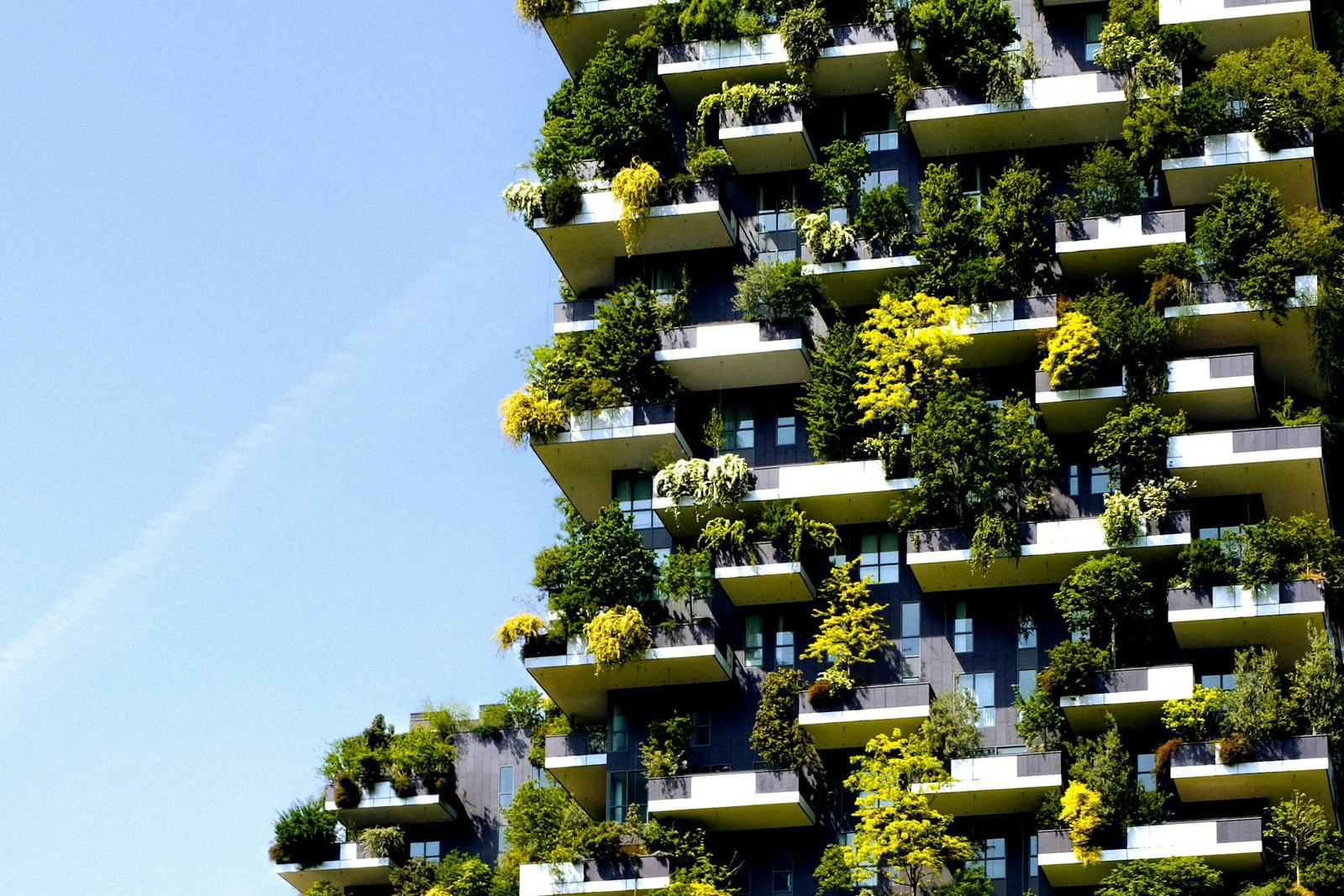
What Eco-Conscious Architecture Means
Eco-conscious architecture considers a building’s environmental impact throughout its life, from the materials chosen at the beginning to the energy it uses decades later. Rather than treating sustainability as an add-on, this approach makes it part of the design process. It brings together thoughtful planning, durable construction, and attention to the people who will use the space.
Each project begins with its setting. Sunlight, wind, rainfall, local vegetation, and surrounding buildings can all inform decisions about orientation, windows, shading, and outdoor areas. Responding to these conditions can make interiors more comfortable while reducing the need for mechanical heating, cooling, and lighting.
Materials and Energy, Considered Together
Material selection is another important part of sustainable design. Reclaimed timber, recycled content, responsibly sourced materials, and products made nearby may help reduce waste and transportation impacts. Durability matters, too: a material that lasts and can be repaired may serve a project better than one that needs frequent replacement. Designers also consider what happens to materials when a building is renovated or dismantled.
Energy-efficient buildings often combine a well-insulated envelope with carefully placed windows, efficient systems, and controls suited to occupants’ routines. Passive strategies—such as capturing winter sun or providing natural ventilation—can reduce energy demand before equipment is installed. The best solutions depend on local climate and the specific needs of the project.
Designing for People and Place
Environmental performance is only one measure of a successful building. Healthy indoor air, comfortable temperatures, access to daylight, and useful connections to outdoor spaces all shape everyday experience. Inclusive layouts and adaptable rooms can help a building remain useful as households, workplaces, and communities change.
For an architectural team, these priorities call for collaboration among clients, designers, builders, and specialists. Clear goals early in the process make it easier to balance budget, appearance, performance, and long-term maintenance.
A Long-Term Perspective
Eco-conscious architecture is not a single style or checklist. It is a practical way of making design choices with their wider consequences in view. By combining local knowledge, responsible materials, efficient systems, and human-centered planning, projects can use resources more carefully while creating places that remain welcoming and resilient over time.