
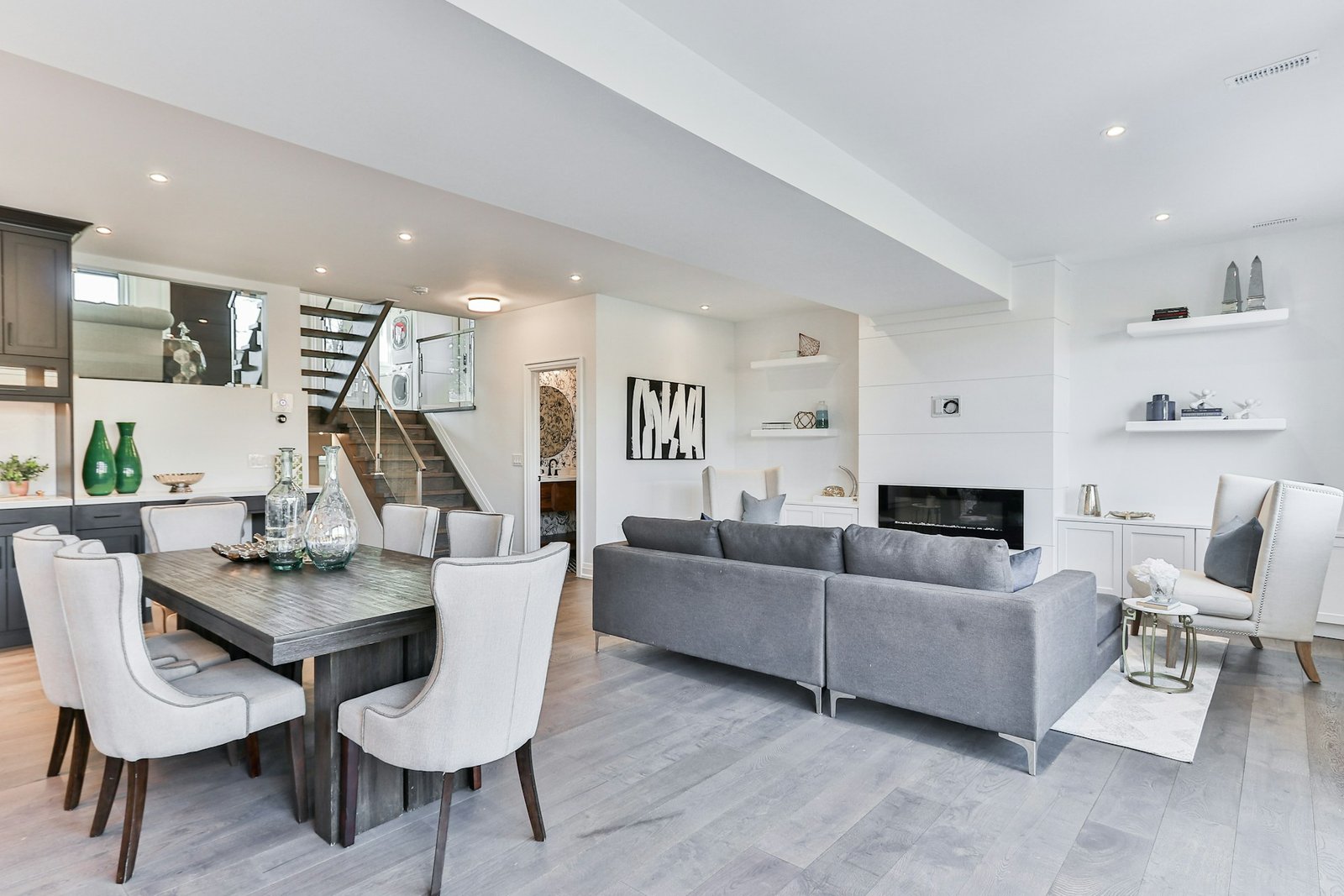
A well-designed interior should support the people who spend time in it.
Bring in useful daylight
Window placement and interior layout can distribute natural light while limiting glare and excessive heat.
Plan ventilation deliberately
Indoor air quality depends on ventilation, moisture control, material choices and maintenance. Strategies should suit the building and its occupants.
Choose finishes carefully
Low-emission products and durable, cleanable surfaces can contribute to healthier interiors. Check relevant product information rather than relying on vague labels.
Consider acoustic comfort
Sound transfer and background noise affect concentration and rest. Acoustic design deserves attention alongside visual appearance.
Every project has its own climate, site conditions, budget and regulatory requirements. An experienced design team can help turn these principles into an appropriate project-specific approach.